


AI, Tech, & Digital Commerce
-
AI Top 25 Benchmark Reveals Six Habits Separating Distribution’s AI Leaders
The companies that made the AI Top 25 distinguished themselves not by the software they bought, but by how they organized their businesses.
-
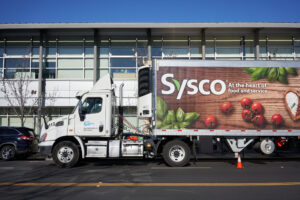
Sysco Bets on AI to Drive $100 Million in Productivity Gains
Sysco’s announcement reflects a broader trend among large distributors to expand AI beyond customer-facing applications and into supply chain, logistics and back-office operations, where productivity improvements can have a greater impact on profitability.
-
Wesco Expands Beyond Distribution as AI Infrastructure Reshapes Growth Strategy
Wesco emphasized that the company’s strategy is evolving from supplying products into data centers to supporting the entire AI infrastructure ecosystem.
-

Home Depot Reorganizes Leadership to Accelerate Pro Growth, AI, and Unified Commerce
The restructuring further aligns Home Depot’s retail and distribution operations following its acquisitions of SRS Distribution and HD Supply.
-
Watsco Expands Through Acquisition, Accelerates AI Investment as HVAC Market Stabilizes
Watsco said it has invested more than $250 million in digital technology over the past five years, including customer-facing applications, internal operating systems, and emerging AI capabilities.
-
What Separates AI Leaders From the Rest of Distribution
Many of the distributors recognized in the AI Top 25 spent years standardizing product information, customer records, and other core business data before expanding AI deployments across the enterprise.
-

Inventory Survey Finds Strong Interest in AI, but Adoption Remains Limited
For distributors, the findings suggest that interest in AI is increasingly centered on operational applications rather than experimental technology.
-
Rexel Makes AI a Core Part of Distribution Strategy
Rexel reported a record 4% productivity improvement during the first half of 2026, which executives attributed to operational improvement programs and the company’s AI transformation. The gains helped offset higher operating costs while supporting improved financial performance.
-

Honeywell Completes Sale of Warehouse Automation Business to American Industrial Partners
The divestiture is the latest step in Honeywell’s restructuring strategy as the company narrows its focus to industrial automation, software, and autonomous operations.
-

Cavallo Expands Business Central With Pricing, AI Tools
The release is part of Cavallo’s broader strategy to build software specifically for wholesale distribution.