



Logistics, Fulfillment & Transportation
-

Logistics Costs Decline, but Supply Chain Volatility Continues to Pressure Distributors
While lower logistics costs may provide some relief, the report concludes that volatility has become a permanent feature of supply chain operations, forcing distributors and other supply chain operators to continuously adapt their networks, inventory strategies, and technology investments.
-

Carrier Enterprise Says Digital Channels Now Generate More Than 60% of Revenue
Carrier Enterprise also highlighted its Delivery Express program, which allows customers to schedule same-day delivery of equipment, parts, and supplies to job sites during checkout.
-

Huntress Expands Distribution Network with Four New Channel Partners
The additions include Ingram Micro, one of the world’s largest technology distributors; Vertosoft, which specializes in public-sector technology sales; Liquid PC, a reseller-focused distributor; and QBS Software, a United Kingdom-based distributor of cybersecurity and enterprise software.
-

Amazon Opens Less-Than-Truckload Network to All Shippers, Expanding Push into Freight Market
As Amazon continues opening its logistics infrastructure to outside businesses, distributors and manufacturers are gaining access to one of the largest transportation networks in North America.
-

UNFI Expands AI Across Distribution Network as Productivity Gains Accelerate
Distribution center productivity increased more than 7% during the quarter, the company reported.
-
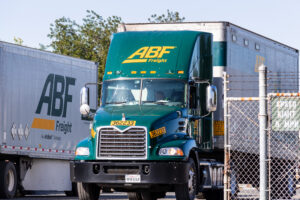
ArcBest, ABF Freight to Increase LTL Rates 5.9%
For distributors, that means transportation costs are likely to remain under pressure even if freight demand softens during the second half of the year.
-
UPS Invests $50 Million in Automotive, Industrial Logistics Network and Expands Mexico Air Freight Service
For distributors and manufacturers, transportation providers are increasingly differentiating themselves through cross-border expertise, shipment visibility, and speed rather than price alone.
-

FedEx Completes Freight Spin-Off, Creating Standalone LTL Carrier
FedEx Freight is a major transportation provider for industrial, construction, manufacturing, and wholesale distribution customers that rely on less-than-truckload shipping for replenishment orders and regional deliveries
-

Amazon Expands Logistics Push with Open Network and China Fulfillment Pipeline
For wholesale distributors, the move changes Amazon’s role in the supply chain. The company is now operating as a third-party logistics provider while also extending its network upstream into manufacturing hubs.
-

J.B. Hunt Says the Freight Market Has Structurally Changed — and Distributors Will Feel It
For wholesale distributors who built their logistics budgets around four years of soft spot pricing and shipper leverage, the environment has changed.